
Fasteners
Learn about fasteners for LGS frame installation and tie-down bolts to connect walls to concrete floors.
Learn about fasteners for LGS frame installation and tie-down bolts to connect walls to concrete floors.
Fasteners are critical to Light Gauge Steel (LGS) building performance so it is important to use the fasteners specified in the on-site drawings provided by the frame fabricator. If there is no fastener specification, or you wish to use another brand or type, please consult with the frame fabricator and obtain approval.
Any fastener used on LGS frames must be appropriate to the application, the materials involved and the thickness of the members. Using the proper fastener is essential to ensure the performance of the connections used in LGS construction.
Good practice recommends that fasteners should have equivalent to, or greater durability than, the materials being connected and must be compatible with steel.
A range of fasteners specifically engineered for LGS framing applications are available to the building industry. The types of fasteners typically used in light gauge steel building applications include:
Where fasteners are located in more vulnerable locations such as marine environments, more durable fasteners are recommended. These need to be compatible with the steel frame. Please review BlueScope’s Corrosion Technical Bulletins, listed in the resources section for more information.
Remember to:
Specific fasteners are used for specific applications. The most common ones used to install LGS frames on-site are:
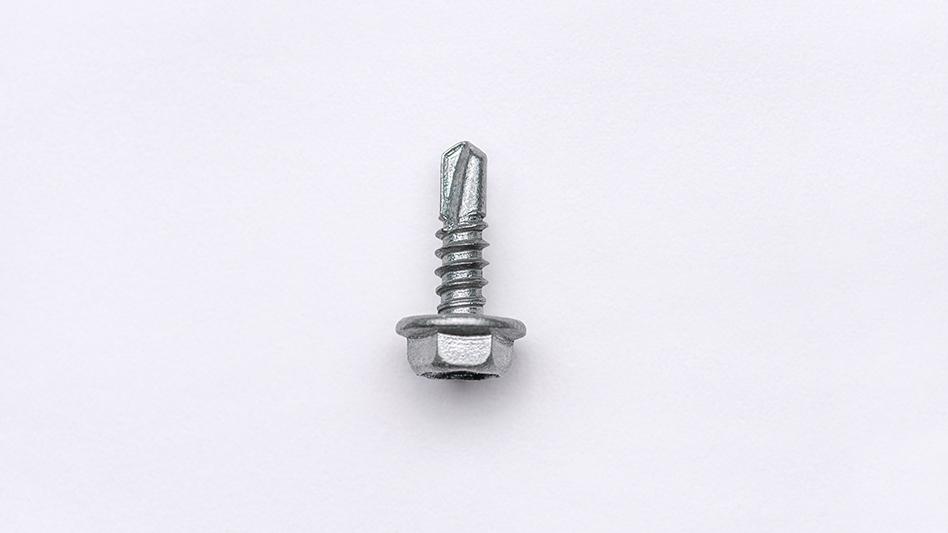
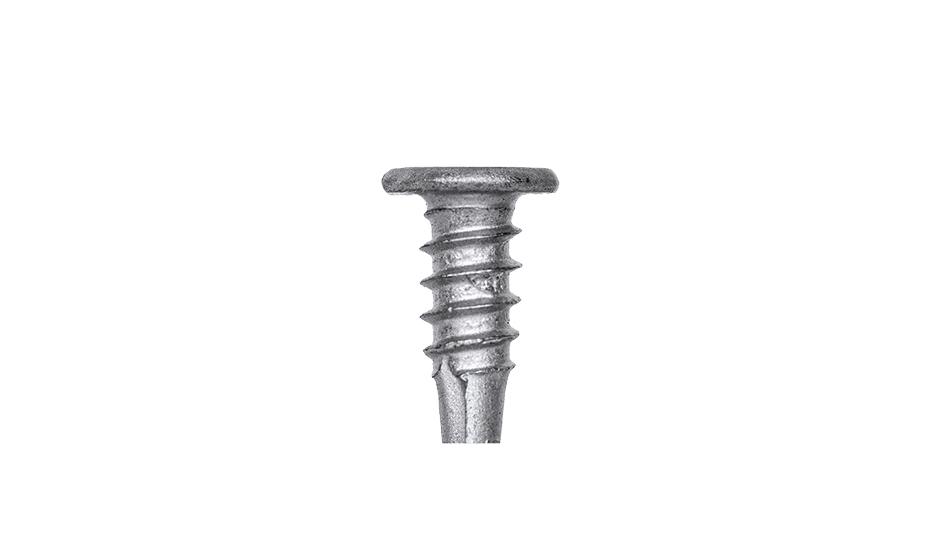
There are many other fasteners used by second-fix carpenters and follow-on trades to complete other jobs like window and door jams, architraves and skirting, as well as fixing claddings and linings to LGS frames. NASH’s General Guide to Steel Framed Building publication details typical fixing screws used for LGS frames.
| Fastener type | Description | Uses |
|---|---|---|
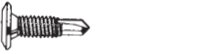
| 10–16x16mm Tek | Flush fixing screw where flush surface finish is required - eg: Plasterboard corner angles. |
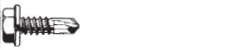
| 10–16x18mm Tek | General non-structural fixing screw. Uses: wall connectors, roof battens etc. |
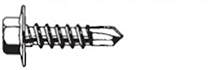
| 12–14x20mm Tek | Structural fixing screw, tiled roof truss fixing, girder/truss heel bracket fixing, roof battens. |
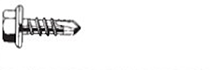
| 14–10x20mm Tek | Structural fixing screw long wind area. Sheet roof truss fixing, rafter beam fixing and high load sheet connections. |
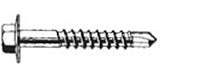
| 12–14x45mm Tek | Fixing wall bottom plate to steel joists. |
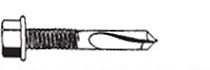
| 12–24x32mm Hex series 500 | Used for fixing steel brackets or joists to heavy gauge beams up to 12mm thickness. |
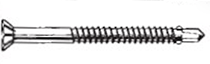
| 10–24x75mm CSK Wing Tek | For fixing timber batten or timber to steel. Timber thickness range 25-30mm. |
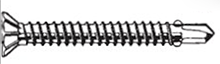
| 10–16x45mm CSK Tek | Timber floor to steel joists fixing. General timber to steel. Timber thickness range 30mm. |
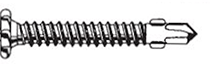
| 8–18x35mm SEH Wing Tek | Used on Hardiplank, Weathertex and assorted timber claddings to steel stud work. (Use stainless steel for cedar). |
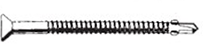
| 6–20x50mm CSK Wing Tek | Architraves, reveals and skirtings. General finishing and fixing timber screw. |
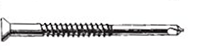
| 6–20x65mm CSK Tek | Architraves, reveals and skirtings. General finishing and fixing timber screw. |
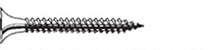
| 6–18x30mm Bugle Needle Pt | Plasterboard fixing to ceiling battens. |
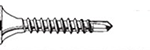
| 6–20x25mm Bugle Needle Pt | Plasterboard fixing to wall frame studs. |
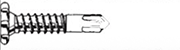
| 8–18x25mm SEH Extended Point Tek | Fibrous cement fixing screw (wet areas). |
Source: NASH - General Guide to Steel Framed Building
LGS fastener information can also be obtained from fastener manufacturers' literature. Some links are provided in the Resources below.
Understanding how to read fastener descriptions on packaging is important to ensuring you order the right fastener for specific frame applications.
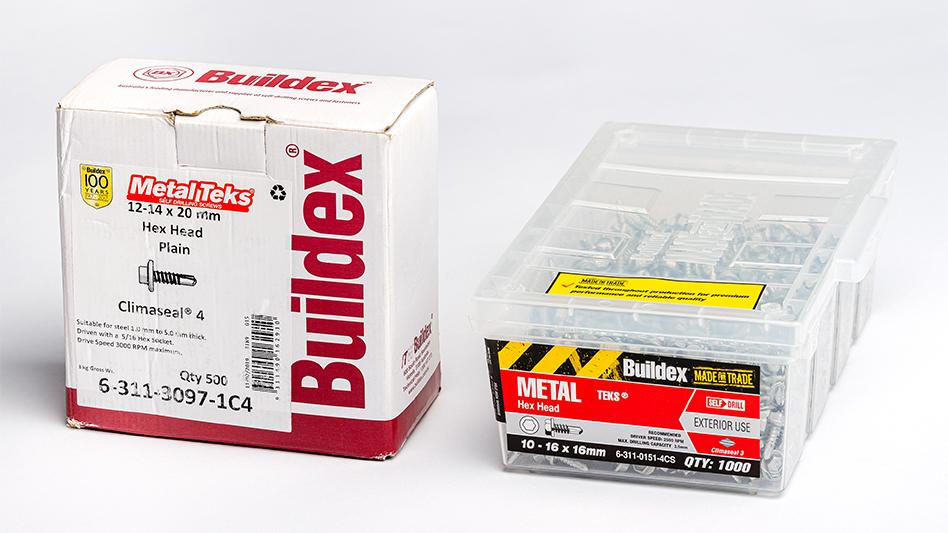
Using the above left example:
Tie-downs are usually masonry anchors and are specified in the on-site drawings. They may take the form of screw anchors, Dyna-bolts and masonry nails (for internal/temporary walling). When fixing frames to slabs, installers may experience 2 types of connections:
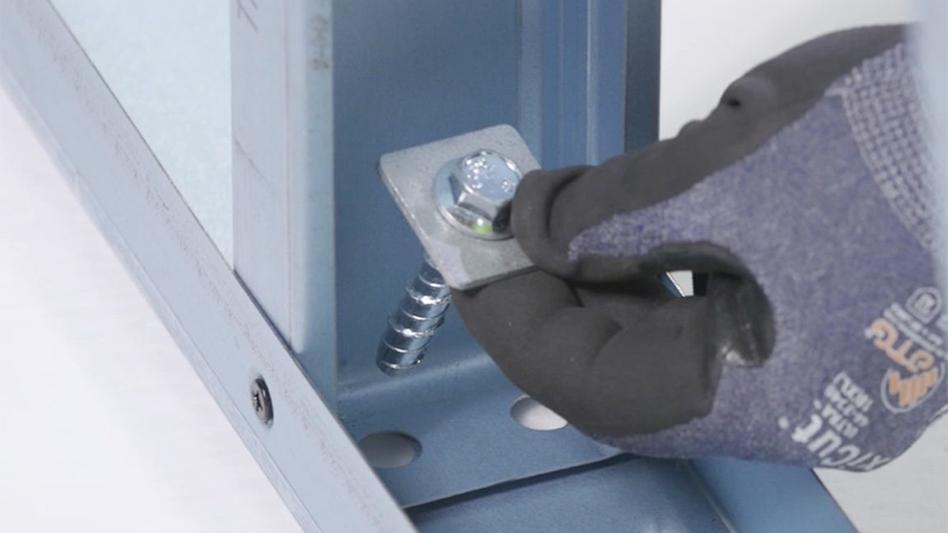
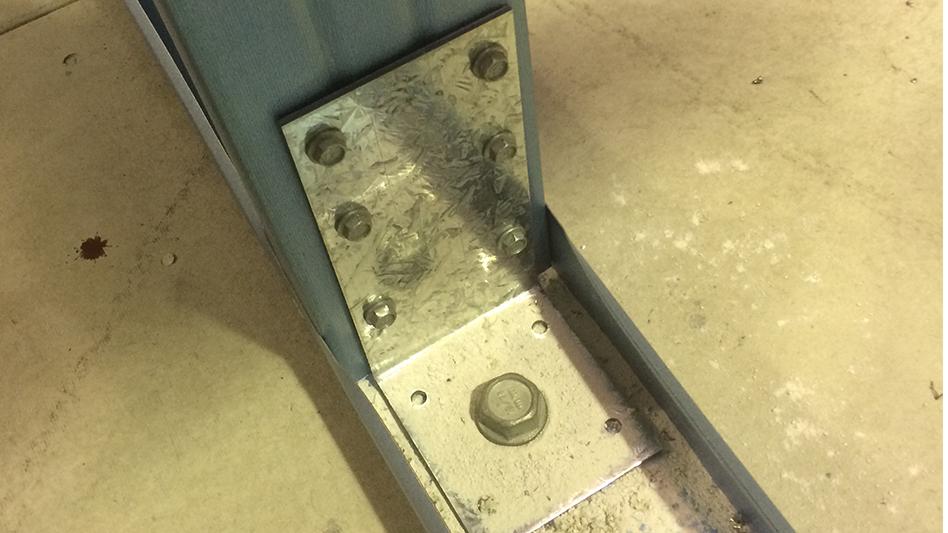
It is important that the type and location of tie-down bolts are correct and as specified/supplied by the frame manufacturer. Further information is provided in the topic Erecting Wall frames. NASH also provides guidance with respect to distance from slab edge etc.
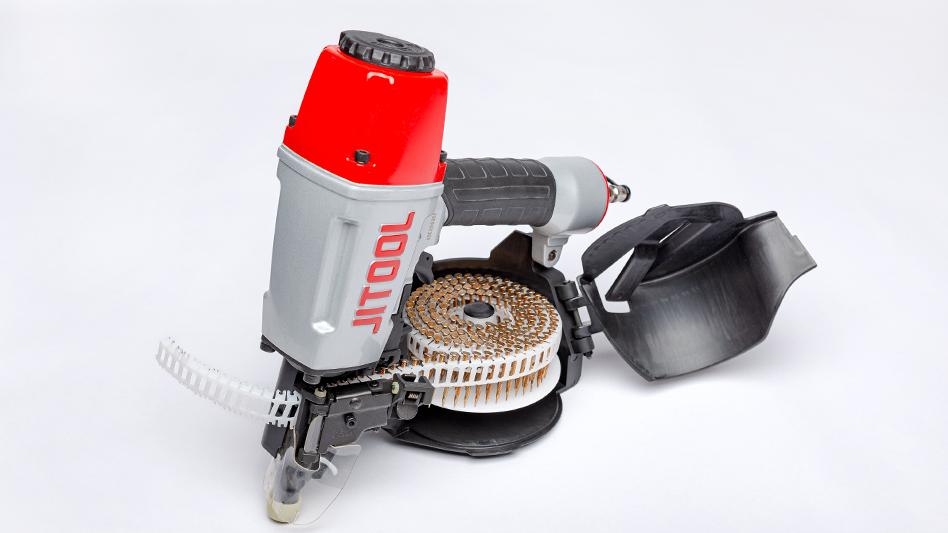
Advancements have also been made with gun nailing technologies with products now available for use with steel.
This Advisory Note discusses some of the issues involved in the correct selection of screw coatings for steel framing and makes recommendations on minimum coating performance to achieve reliable durability in steel framing connections.
A general guide to assist qualified tradepersons in the fixing of materials to steel framed houses.
This Handbook supports the NASH Standard – Residential and Low-rise Steel Framing, Part 1: Design Criteria. It covers the structural design of floor, wall, roof and bracing systems as well as assisting with the design of connections, testing structures, durability, fabrication and construction practices. Design tables and manufacturers testing data are included for connections.
The Bremick range of self-drilling screws includes screws suitable for steel framing.
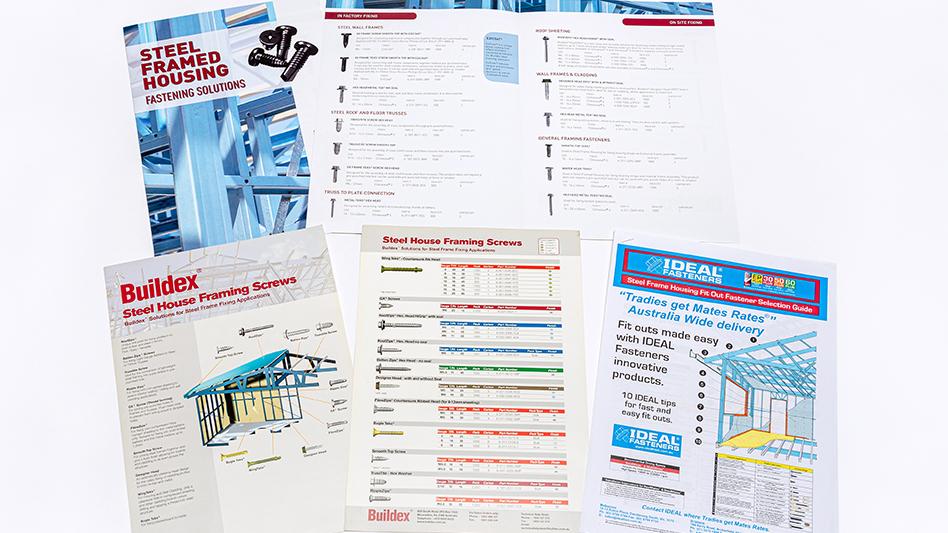
Buildex fastening solutions for in factory fixing and on site fixing in steel frame housing.
ICCONS offer a comprehensive range of construction fastening systems for steel framing applications.
Ideal Fasteners specialise in the steel frame industry and actively work with steel frame manufacturers, suppliers and home builders.
Nessco Fasteners has a solution for any light gauge steel framing application.
See the Ramset™ Anchoring and Fixing ranges and access technical data and documents.
This Technical Bulletin has been written to assist designers, builders and homeowners to realise the benefits of frames made from TRUECORE® aluminium/zinc/magnesium alloy-coated steel.
This corrosion technical bulletin outlines: The basis of dissimilar metal corrosion with reference to the galvanic series of metal and alloys in sea water; Table of compatibility of direct contact between metals or alloys when choosing fasteners and accessories.
The purpose of this Technical Bulletin is to provide recommendations of compatible fasteners, most commonly self-drilling screws, for use with roofing, walling and accessory products made from BlueScope coated steel.
